Rooted In Real World Results
After just six short years, Indigenous Nations and groups that have participated in projects supported through AIOC loan guarantees are seeing a real return on investment. Here are just a few of the latest success stories, highlighting how early cash distributions are already making significant impacts.
Establishing Food Security in Remote Indigenous Communities
Community: Willow Lake Métis Nation
Initiative: Willow Lake Métis Farms – a food sustainability program
Willow Lake Métis Nation sits 36 kilometres southeast of Fort McMurray. In this part of the province, access to fresh food has long been a challenge, particularly for Indigenous Nations and groups. It must be shipped over great distances at a high cost.
Read More
Leadership identified a bold opportunity to use proceeds from an equity investment in the Northern Courier Project through the Astisiy Partnership to develop an affordable, self-sustainable food supply. The project, Willow Lake Métis Farm, is an incredibly ambitious and rigorously researched initiative that integrates bison, traditional agriculture, and advanced hydroponic systems to grow produce year-round. It is also a return to tradition for the community.
The Nation began by purchasing 205 acres of farmland, known as the McKenzie Homestead, with historical ties to one of the Nation’s founding families. With the reacquisition of this land, the Willow Lake Métis Nation are no longer landless. They now have a geographical home.
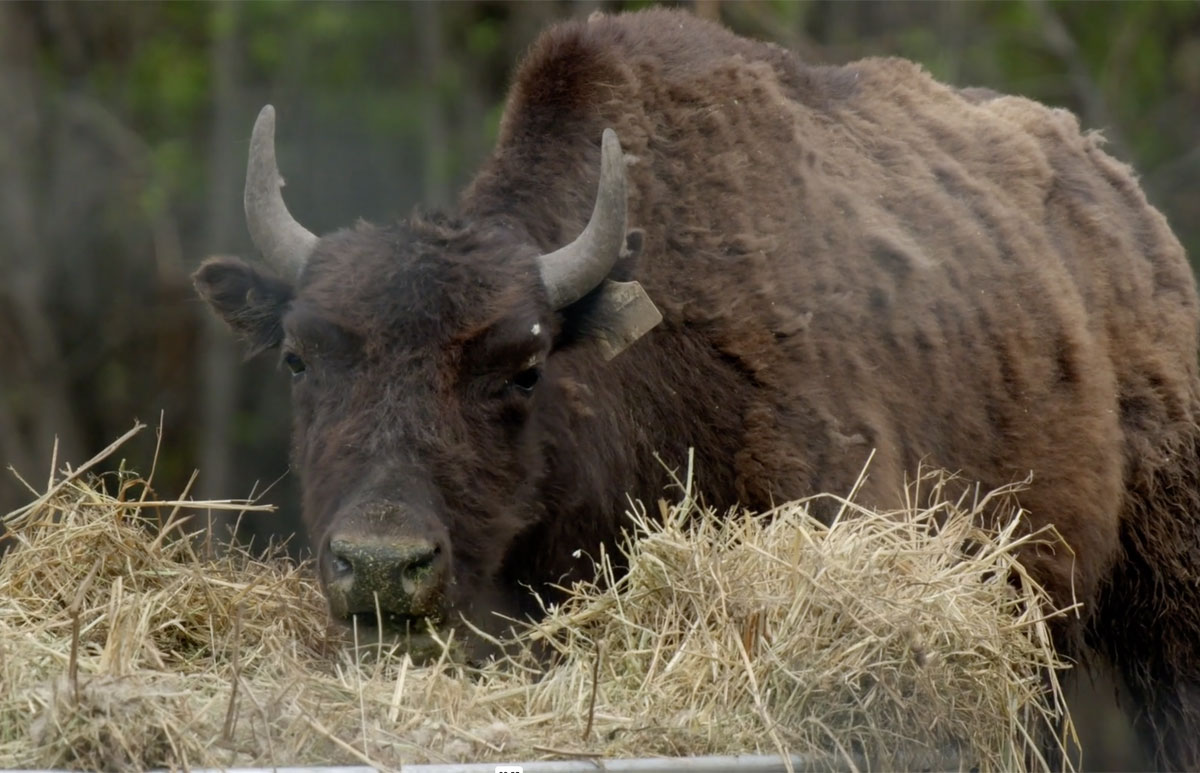
A key objective was to reestablish a commercial bison herd, which has profound cultural significance to the community. Another way they are returning to their agrarian roots is by setting aside 23 acres to establish a seasonal vegetable farm.
The third element of phase one is the most technologically advanced. They have purchased a state-of-the-art hydroponic unit that will allow them to grow fresh lettuce year-round, with a target of 10,000 lb annually. The introduction of laying hens and honeybees, a “food forest” where members can pick berries and other traditional crops, and a community garden will be introduced in phase two.
This entire idea is driven by the Willow Lake Métis Nation’s value of community. Access to sustainable food will benefit Nation citizens, as well as neighbouring Indigenous communities along the Highway 81 corridor. They are in talks to supply fresh produce, eggs and meat to local restaurants, grocers and work camps, as part of their first business venture. Additionally, they plan to partner with schools on educational programs involving the farm and bison herd. Leadership has also committed to donate 10% of all yield to support the local food bank, school lunch program and seniors centre.
This project reflects how long-overdue economic participation is helping Indigenous Nations and groups to pursue self-sufficiency and bring meaningful change to their communities.
The leadership team of Willow Lake Métis Nation believes that participating in economic deals as a partner creates sovereignty, which provides greater awareness of their situation and the ability to influence it. Today, they feel they have a seat at the table, and can think about opportunities that they may not have been able to previously consider. It has changed how the Nation sees the world.
Impacts Beyond Food Sustainability
“I don’t think we can minimize how that investment [in the Athabasca Trunkline] has been able to help the day-to-day operations of the Nation. I’m talking about things like our student scholarship program to help one of our citizen’s daughters who was getting ready to graduate and go to university. For our seniors, we were able to create a health spending account for little things that healthcare doesn’t quite cover, like travel for medical reasons or grief.”
Matthew Michetti, Senior Manager of Government and Industry Relations, Willow Lake Métis Nation